Lovelyday: The Elegant Script Font That Elevates Handwritten Designs
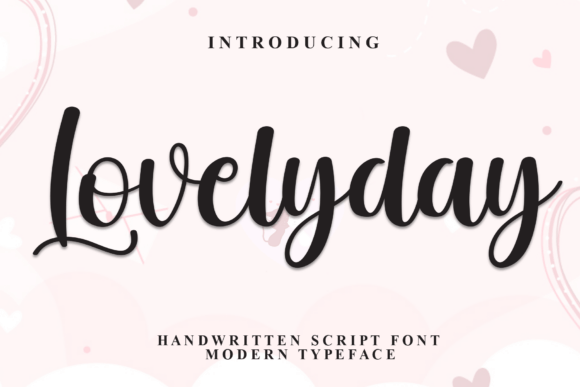
Typography plays a crucial role in design, often serving as the emotional anchor of any visual message. Among the many fonts available today, Lovelyday stands out for its unique blend of style and elegance. As a script font that mimics natural handwriting, it brings warmth, sophistication, and personality to a wide range of creative projects. Whether you're designing a wedding invitation or crafting a business logo, Lovelyday offers a refined aesthetic that resonates with modern audiences while maintaining timeless appeal.
The Rise of Handwritten Fonts in Design
In recent years, there has been a noticeable shift toward more personal and authentic design elements. Consumers are increasingly drawn to content that feels genuine, expressive, and human. This trend is particularly evident in branding, social media, and print design—areas where emotion and connection matter most. Handwritten fonts like Lovelyday have become go-to choices for designers who want to evoke a sense of intimacy and creativity without sacrificing professionalism.
Unlike rigid sans-serif or serif typefaces, script fonts mimic the fluidity of cursive writing, making them ideal for designs that need to stand out. They’re especially popular in industries such as fashion, lifestyle, and event planning, where aesthetics play a pivotal role. With its graceful strokes and balanced proportions, Lovelyday fits seamlessly into this growing movement of handcrafted digital typography.
Why Lovelyday Stands Out
What makes Lovelyday different from other script fonts? First, it’s incredibly versatile. While many script fonts lean too heavily on ornate flourishes or overly casual styles, Lovelyday strikes a perfect balance between elegance and readability. Its characters flow smoothly, yet they retain enough structure to remain legible even at smaller sizes—a key factor when using the font in printed materials or digital assets with limited space.
Second, Lovelyday has a modern edge that appeals to contemporary design sensibilities. It doesn’t feel outdated or overly romanticized, which makes it suitable for both traditional and minimalist layouts. This adaptability is why it's gaining popularity across multiple platforms—from editorial design to product packaging.
Applications Across Industries
One of the most common uses of Lovelyday is in wedding invitations. In an age where couples are opting for personalized and bespoke experiences, handwritten fonts add a layer of charm and exclusivity. The soft curves and delicate lines of Lovelyday make it perfect for conveying heartfelt messages and names with grace.
- Wedding Invitations: Ideal for highlighting couple names or key dates with a touch of romance.
- Thank You Cards: Adds a personal and sincere tone to handwritten-style notes.
- Quotes & Greeting Cards: Enhances the impact of motivational or sentimental phrases.
- Logos & Branding: Offers a stylish alternative for businesses aiming for a warm, artistic identity.
- Business Cards: Provides a memorable look that differentiates professionals from competitors.
Designers and entrepreneurs alike are embracing this font not only for its beauty but also for its ability to communicate a brand's voice effectively. A well-chosen font can subtly influence how people perceive a company, and Lovelyday does just that with its refined and approachable style.
How to Use Lovelyday Effectively
While Lovelyday is visually appealing, its success in design depends largely on how it’s implemented. Here are some practical tips for integrating it into your work:
- Use Sparingly: Script fonts can be overwhelming if overused. Pair Lovelyday with a clean, modern sans-serif font for body text to maintain clarity and contrast.
- Adjust Spacing and Kerning: Due to its flowing nature, careful attention to spacing ensures each letter is distinct and readable.
- Consider Color and Background: Lighter weights of Lovelyday work best on dark backgrounds, while bolder versions can shine against lighter tones.
- Experiment with Layering: For logos or headers, try combining it with subtle textures or watercolor effects to enhance its organic feel.
Real-world examples show how thoughtful use of Lovelyday can transform a simple design into something extraordinary. A boutique clothing brand might use it for their signature line on tags, while a freelance designer could incorporate it into a client's website header to create a welcoming vibe. These applications demonstrate how the font adapts to various contexts without losing its essence.
Trends Shaping the Popularity of Script Fonts
The increasing use of handwritten fonts like Lovelyday aligns with broader trends in user experience and digital communication. People crave authenticity in an era dominated by automation and artificial interfaces. A script font adds a human element that digital tools alone cannot replicate.
Additionally, the rise of remote work and digital marketing has made visual branding more important than ever. Businesses must now establish their identity through online presence, and fonts are a critical part of that equation. Script fonts help brands appear more personable and relatable, qualities that resonate strongly with today’s consumers.
Another contributing factor is the surge in influencer culture and lifestyle content. Platforms like Instagram and Pinterest thrive on visual storytelling, and elegant, handwritten typography complements the aesthetic-driven nature of these spaces. Designers working in this niche find Lovelyday to be an excellent choice for captions, headers, and promotional graphics.
Evolution of Typography Preferences
Typographic preferences have evolved significantly over the past decade. Gone are the days when bold, blocky fonts were the standard for all branding. Today, consumers are more receptive to softer, more expressive typefaces that reflect the values and character of the brand or creator behind them.
This evolution is driven by a desire for individuality and emotional resonance. Script fonts allow designers to inject personality into their work, and Lovelyday, with its harmonious balance of form and function, meets this demand perfectly. It’s no wonder it has found its way into the toolkits of designers across the globe.
Practical Implications for Users and Creators
For everyday users, Lovelyday provides an easy way to elevate personal projects. From DIY greeting cards to custom social media templates, it allows individuals to express themselves creatively without needing advanced design skills. Many graphic design tools, including Canva and Adobe Photoshop, support script fonts like Lovelyday, making it accessible to a broad audience.
Professionals benefit from its adaptability. Graphic designers and marketers can use it to create compelling visuals that catch the eye and convey a message with emotional depth. Educators might use it in classroom posters or presentation slides to engage students with a more approachable tone. Freelancers can differentiate their portfolios with custom headers and titles styled in Lovelyday.
Entrepreneurs, particularly those in service-based industries like weddings, real estate, or wellness, can leverage Lovelyday to craft cohesive brand identities. When used consistently across websites, brochures, and signage, it helps reinforce a brand’s image and build trust with potential customers.
Case Study: Wedding Invitation Design
Imagine a small design studio specializing in luxury wedding invitations. Before incorporating script fonts, their designs felt generic and lacked a personal touch. After experimenting with Lovelyday, they noticed a significant improvement in client satisfaction. The font allowed them to highlight names and vows with elegance, giving clients the impression of receiving a truly bespoke product. Sales increased by 20% within six months, proving that the right typographic choice can have tangible business benefits.
Choosing the Right Format and Style
Lovelyday comes in several formats and weights, offering flexibility for different design needs. Some versions may include ligatures or alternate characters, which can be used to enhance the font’s organic feel. Understanding these options is essential for maximizing its impact in your projects.
When selecting the appropriate weight, consider the context. Bold weights are great for headlines and logos, while lighter versions suit poetry, quotes, and delicate illustrations. Additionally, pairing Lovelyday with complementary fonts—like Montserrat or Lato—can help maintain visual hierarchy and ensure the overall design remains functional and beautiful.
Accessibility and Readability Considerations
While script fonts offer a unique aesthetic, they can sometimes pose challenges in terms of accessibility and readability. To address this, it’s important to use Lovelyday judiciously. Avoid using it for large blocks of text and ensure sufficient contrast between the font color and background.
Many designers opt for high-contrast pairings, such as white text on a dark backdrop or black text on light surfaces. This enhances legibility and ensures the font remains effective across different mediums and screen sizes. By being mindful of these factors, you can enjoy the stylistic advantages of Lovelyday while keeping your content accessible to all users.
Conclusion
Lovelyday is more than just another script font—it’s a powerful design tool that bridges the gap between digital precision and human expression. Its elegant curves and professional appearance make it suitable for a variety of uses, from intimate thank you notes to corporate branding. As the demand for personalized and authentic design continues to grow, Lovelyday is positioned to become a staple in the creative community.
Whether you're a seasoned designer or someone exploring typography for the first time, consider adding Lovelyday to your collection. Its versatility, beauty, and relevance to current design trends make it a valuable asset for anyone looking to leave a lasting impression with their visual work.