Boho Card Mockup: A Practical Tool for Visualizing Creative Concepts
Designers, marketers, and creative professionals often rely on mockups to bring their ideas to life before final production. One such tool gaining popularity is the Boho Card Mockup, a high-resolution visual template that allows users to showcase card-based designs in an aesthetically pleasing and realistic context. Whether you're working on greeting cards, business cards, or promotional materials, a well-crafted Boho Card Mockup can help you visualize how your design will look in the real world. This article explores what a Boho Card Mockup is, how it fits into various workflows, and practical ways to use it effectively.
What Is a Boho Card Mockup?
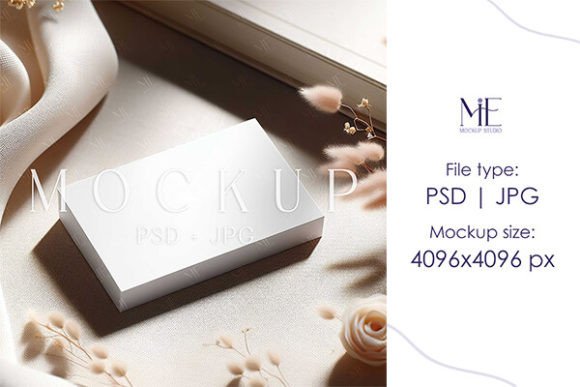
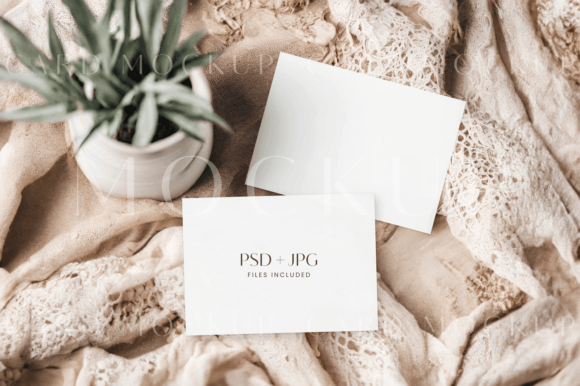
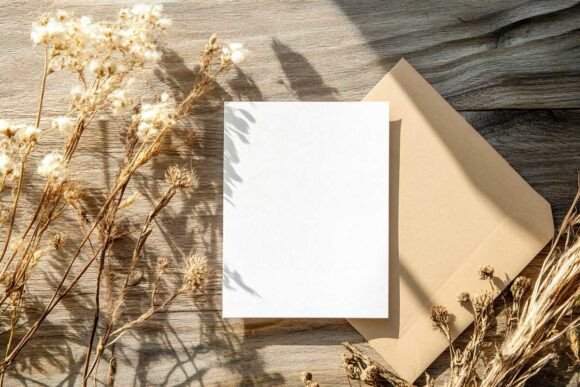
A Boho Card Mockup is a digital representation of a card product—typically in JPEG format—designed to mimic the appearance of a finished item. These mockups are often created with a free-spirited, artistic, and eclectic style that aligns with the “Bohemian” aesthetic. The term "Boho" refers to a lifestyle and design movement characterized by earthy tones, natural textures, floral patterns, and a relaxed, handcrafted feel.
The standard resolution for many professional-grade mockups is 6000 x 4000 pixels at 300dpi, ensuring clarity and detail when printed or used in high-quality digital presentations. When you open a Boho Card Mockup 6000 x 4000px 300dpi Jpg File, you’re presented with a realistic image of a card placed in a styled environment—such as a rustic wooden table, a cozy corner with soft lighting, or a nature-inspired backdrop. These mockups are designed to be edited using graphic design software like Photoshop or Canva, allowing users to replace placeholder content with their own custom artwork.
Where Does It Fit Into the Design Process?
Integrating a Boho Card Mockup into your workflow can be incredibly beneficial at multiple stages:
- Pre-Production Planning: Before printing or sharing your design, use the mockup to evaluate color accuracy, layout, and overall visual impact.
- Client Presentations: Presenting a flat design to a client can sometimes be confusing. A mockup provides a tangible example of how the final product will appear, helping clients make informed decisions.
- Marketing Materials: Use the mockup in social media posts, website banners, or email campaigns to highlight your card design without investing in physical samples.
- Portfolio Pieces: Showcase your design skills more effectively by including mockups in your portfolio, demonstrating how your work translates into real-world applications.
How to Use a Boho Card Mockup Effectively
To get the most out of a Boho Card Mockup, consider these practical steps:
- Choose the Right Mockup: Select a mockup that matches the style and purpose of your card. For instance, if your design features botanical elements, a nature-themed mockup would enhance its presentation.
- Prepare Your Design: Ensure your card artwork is sized correctly and exported in a high-quality format. Most mockups require the design to be in CMYK mode if intended for print, but RGB works well for digital use.
- Edit Smartly: In Photoshop, locate the smart object layer within the mockup file. Replace the default card image with your design while maintaining the lighting, shadows, and textures for realism.
- Test Multiple Versions: If you’re experimenting with different layouts or color schemes, create several mockups to compare them side by side.
- Export and Share: Once satisfied, export the final mockup as a JPEG or PNG for easy sharing across platforms. High-resolution files ensure sharp images even when zoomed in.
Real-World Workflow Examples
Here’s how a Boho Card Mockup might fit into a few common scenarios:
Example 1: Greeting Card Designer
A greeting card designer creates a new seasonal design in Adobe Illustrator. They then import it into a Boho Card Mockup to see how it looks in a realistic setting. After making adjustments based on the mockup preview, they send the final design to a printer and also share the mockup version on Instagram for customer feedback.
Example 2: Freelance Marketer
A freelance marketer is tasked with creating a set of event invitation cards for a wellness retreat. They use a Boho Card Mockup to present options to the client during a virtual meeting. The mockup helps the client visualize the texture and colors accurately, leading to quicker approvals and smoother revisions.
Example 3: Small Business Owner
A small business owner wants to launch a new line of handmade thank-you cards. To keep costs low, they use a Boho Card Mockup on their website to display the products. Customers can see the cards in a stylish environment, which increases trust and perceived value without the need for actual photos of physical items.
Integration with Other Tools and Resources
Using a Boho Card Mockup doesn’t mean working in isolation. Here's how it interacts with other tools and processes:
- Graphic Design Software: Compatible with Adobe Photoshop, Illustrator, and online editors like Canva. Always check the file format and smart object layers to ensure smooth integration.
- Digital Asset Management (DAM): Store your mockups in a DAM system alongside brand assets for quick access and consistent usage across projects.
- Print Providers: Some print companies offer mockup templates tailored to their printing specs. Using these ensures compatibility and reduces the risk of misprints.
- Collaboration Platforms: Share the final mockup via Google Drive, Dropbox, or Slack for team reviews or client sign-offs. High-resolution JPEG files are ideal for this due to their balance of quality and file size.
- Content Creation: Incorporate the mockup into blog posts, tutorials, or case studies to demonstrate the design process visually.
Practical Tips for Implementation
When implementing a Boho Card Mockup 6000 x 4000px 300dpi Jpg File into your project, keep these tips in mind:
- Match Color Profiles: Ensure your design uses the correct color profile to avoid discrepancies between the mockup and the final printed card.
- Use Layer Styles Wisely: Avoid over-editing the mockup itself; stick to replacing the card image and adjusting brightness/contrast slightly if needed.
- Organize Files: Keep all versions of your design and corresponding mockups in one folder. Label them clearly (e.g., “Card_Mockup_V1,” “Final_Mockup_300dpi”) to streamline future edits or comparisons.
- Optimize for Different Uses: Export the mockup in both high-res and compressed formats. The full-size 300dpi version is suitable for print, while a smaller JPEG may be better for web use.
- Consider Lighting and Texture: Some mockups include subtle lighting effects or paper textures. These can enhance realism but should not overshadow your design. Test variations to find the best balance.
Factors to Consider for Long-Term Use
While a Boho Card Mockup is a powerful tool, its effectiveness depends on how well it integrates into your long-term workflow. Here are some key considerations:
Preparation
Before using a mockup, prepare your design by ensuring it meets all technical requirements. Check dimensions, resolution, and file type. A poorly prepared design may not fit well into the mockup or could appear unprofessional.
Compatibility
Not all mockups are compatible with every design. Make sure the mockup supports your preferred editing platform and file types. For example, if you're using Canva, choose a mockup that includes transparent backgrounds or guides for positioning.
Usability
A usable mockup is intuitive and flexible. Look for ones that allow you to easily replace the card image, adjust angles, or add text overlays. Usability directly affects how quickly you can iterate and refine your designs.
Organization
As your collection of mockups grows, organize them by category, theme, or use case. This makes it easier to retrieve the right one for each project and maintain consistency in your output.
Efficiency
Mockups save time by reducing the need for physical prototypes. However, avoid spending too much time perfecting the mockup environment at the expense of the actual design. Focus on using it as a validation tool rather than a primary design stage.
Consistency
If you're designing a series of cards or using mockups across multiple projects, maintain a consistent style and branding. This helps build recognition and professionalism, especially in marketing and portfolio contexts.
Quality Control
Always review the final mockup before sending it off. Even minor issues like alignment or shadow placement can affect the perception of your design. Quality control ensures that the mockup reflects your brand accurately.
Long-Term Use
Think about how the mockup will serve you beyond the current project. Will it be reused for similar designs? Can it be adapted for different card sizes or styles? Choosing versatile mockups can reduce the need for repeated purchases or downloads.
Choosing the Right Boho Card Mockup
Selecting the appropriate mockup is crucial for achieving the desired outcome. Here are a few things to look for:
- Resolution and DPI: A Boho Card Mockup 6000 x 4000px 300dpi Jpg File is excellent for both print and digital use. Lower resolutions may compromise quality, especially when printed.
- Style and Theme: Choose a mockup that complements your design. If your card has a minimalist layout, avoid overly busy backgrounds that could distract from the message.
- Editable Layers: Opt for mockups with smart objects or editable layers so you can easily update your design without starting from scratch.
- License Type: Confirm whether the mockup is for commercial or personal use. This is especially important if you plan to sell products featuring the mockup.
Common Pitfalls to Avoid
Even experienced designers can fall into traps when using mockups. Here are a few to watch out for:
- Overcomplicating the Scene: A cluttered mockup can obscure your design. Stick to clean compositions unless the scene adds value.
- Neglecting Lighting and Shadows: Misaligned lighting or unrealistic shadows can break the illusion of the mockup. Use the provided smart layers to maintain consistency.
- Ignoring Brand Guidelines: If you're using the mockup for a client or company, ensure the background and styling align with their brand identity.
- Forgetting to Update the Mockup: If your design changes, don’t forget to update the mockup accordingly. Outdated visuals can lead to confusion or wasted effort.
Maximizing Value Across Projects
One of the strengths of a Boho Card Mockup is its adaptability. You can repurpose it for different types of cards, just by swapping the design. This makes it particularly useful for businesses or creators who regularly produce new designs.
For example, an educator designing printable student awards can use the same mockup for various award categories simply by changing the text and imagery. Similarly, a blogger creating downloadable printables can use a Boho-style mockup to present them in a cohesive way.
Another benefit is the ability to batch edit. If you have multiple card designs, you can apply the same mockup template to each one, saving time while maintaining a uniform look across your outputs.
Case Study: A Small Studio’s Experience
A local stationery studio recently adopted the use of Boho Card Mockups to improve their pre-order previews. Previously, they relied on flat images, which led to customer confusion about the final product. After switching to mockups, they saw a 25% increase in positive feedback and fewer returns due to miscommunication. The studio now uses the Boho Card Mockup 6000 x 4000px 300dpi Jpg File as part of their standard design workflow, integrating it into their online store and social media content.
Conclusion
Incorporating a Boho Card Mockup into your creative or business process can significantly enhance the way you present and validate your card designs. Its high-resolution format and realistic styling make it a reliable asset for both digital and print use. By understanding how to prepare, implement, and integrate the mockup into broader workflows, you can leverage it to improve efficiency, communication, and overall design quality.
Whether you're a designer refining a concept, a marketer preparing a campaign, or a small business owner launching a product line, a well-chosen mockup can make all the difference. As with any tool, the key is to use it strategically—not just for aesthetics, but as a functional component of your planning and execution process.