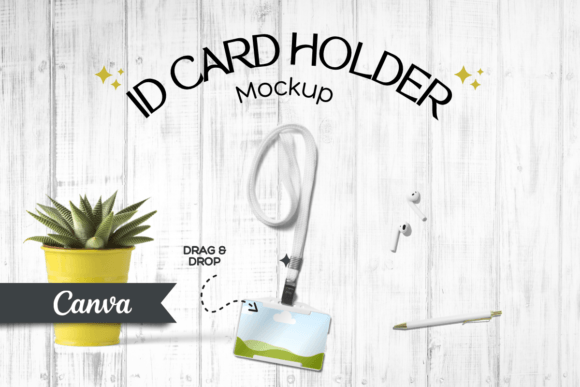
Id Card Holder, Id Mockup, and ID Card Canva: A Practical Guide to Choosing the Right Tool for Your Needs
When it comes to designing and presenting identity cards—whether for business, event badges, or personal branding—having the right tools can make all the difference. Among the many options available today, Id Card Holder, Id Mockup, and ID Card Canva stand out as popular solutions. Each serves a specific purpose in the design process, and understanding their features, strengths, and limitations is essential for making an informed decision.
What Is an ID Card Canva Template?
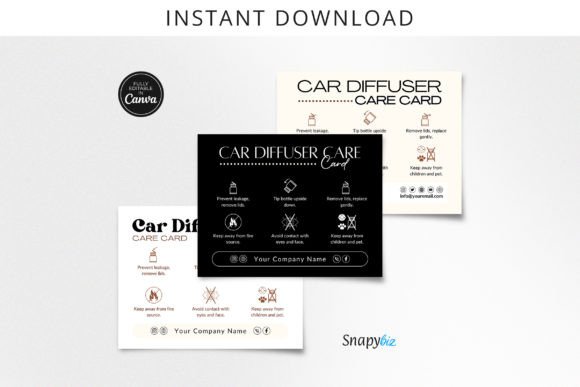
ID Card Canva refers to customizable templates within the Canva platform designed specifically for creating identity cards. These templates allow users to easily modify elements like background, text, colors, and images to reflect their brand identity. The process is user-friendly and requires no advanced design skills, making it ideal for small businesses, freelancers, and individuals looking to create professional-looking ID cards quickly.
One of the key advantages of using ID Card Canva is its integration with Canva’s drag-and-drop interface. This means that even if you're not familiar with graphic design software, you can still produce high-quality designs efficiently. Once you've customized your template, you can download it in multiple formats or share it directly online.
How It Works
- Purchase the template from a marketplace or vendor.
- Receive immediately a PDF file containing instructions and a link to access and edit the template in Canva.
- Open the provided link and begin customizing your design using Canva's intuitive tools.
- Edit the template by changing colors, fonts, backgrounds, and replacing photos with your own content.
- Upload the final version to your Canva account for easy access and future edits.
This streamlined workflow makes ID Card Canva an excellent choice for those who want flexibility and speed without compromising on quality. The ability to revise your design repeatedly ensures that your ID card always aligns with your evolving needs.
Understanding the Role of an Id Mockup
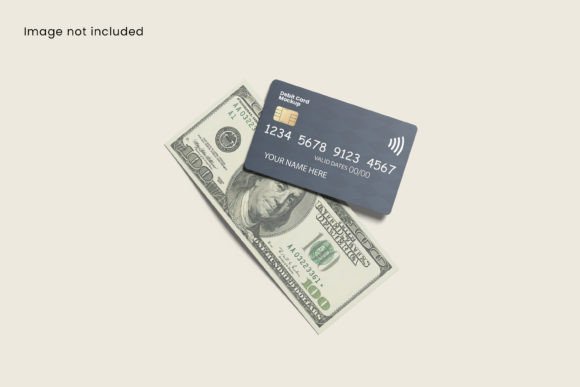
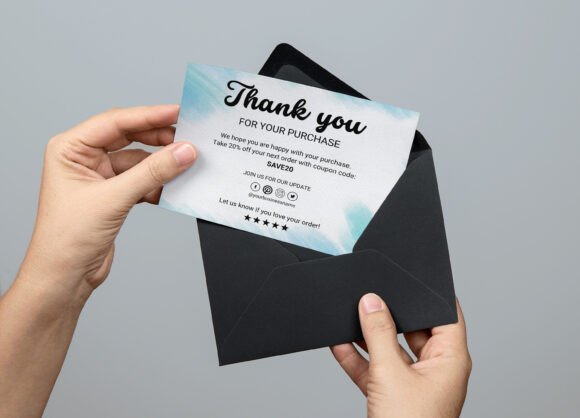
An Id Mockup is essentially a visual representation of how your final ID card will look when printed or used in real life. These mockups are often 3D renderings or realistic images that show the ID card in context, such as attached to a lanyard, placed in a wallet, or held in someone’s hand. They help designers and clients preview the product before production, ensuring that the design meets expectations both visually and functionally.
Id Mockups are particularly useful during the presentation phase. For example, if you're pitching a new employee badge design to a client, a well-crafted mockup can communicate the idea more effectively than a flat image ever could. They also assist in catching potential design issues early, such as poor readability or awkward layout choices.
Key Features of an Id Mockup
- Realistic visualization: Allows you to see your design in lifelike scenarios.
- Customizable settings: Many mockups let you adjust lighting, angles, and backgrounds.
- Brand alignment: Ensures your final product reflects your brand identity accurately.
- Time-saving: Eliminates the need for physical prototypes during initial reviews.
While some mockup tools require photo editing software like Photoshop, others integrate with platforms like Canva. This compatibility enhances usability and allows for seamless transitions between design and presentation phases.
Id Card Holder: Functionality Beyond Design
A Id Card Holder is a tangible item—usually made of plastic, leather, or fabric—that contains and displays your ID card. In the digital design space, the term may also refer to the placeholder or structure used to organize and display ID card graphics. However, in most cases, especially when discussing design resources, an "ID Card Holder" typically describes the physical accessory rather than a digital tool.
In this article, we'll focus on the digital counterpart: pre-designed holders or frames that can be added to ID card mockups to give them a more authentic look. These digital holders help simulate how the final product will appear when used in real-world applications, such as at a trade show or office environment.
Digital ID card holders are commonly found in mockup packages. They provide an extra layer of realism by showing your card in a contextually accurate frame, helping you assess its visibility, size, and overall aesthetic appeal before printing.
Strengths and Tradeoffs
The primary benefit of using a digital Id Card Holder in conjunction with an Id Mockup is enhanced presentation value. These combinations offer a more immersive experience than static images alone. However, they do come with certain tradeoffs:
- Design complexity: Adding a holder increases the number of design layers, which may be challenging for beginners.
- File size: High-resolution mockups with embedded holders can result in larger file sizes, affecting loading times.
- Cost considerations: Premium mockup packs with detailed holders can be more expensive than basic templates.
Comparing ID Card Canva with Other Tools
While ID Card Canva offers convenience and accessibility, it's important to compare it with other design tools and workflows to determine the best fit for your project. Here’s how it stacks up against common alternatives:
Canva vs. Photoshop
Adobe Photoshop remains the industry standard for high-end graphic design. It provides unmatched control over every element of your design, including advanced typography, color correction, and layer management. However, it has a steeper learning curve and is generally more expensive than Canva.
ID Card Canva, on the other hand, prioritizes ease of use and quick turnaround. If your goal is to create a simple but professional ID card without investing time in mastering complex software, Canva is likely the better option. That said, if you need intricate effects or precise print specifications, Photoshop might be necessary.
Canva vs. Free Online Designers
Several free online design tools offer similar functionality to Canva, such as Crello, Fotor, and Snappa. While these can be cost-effective, they often lack the extensive template libraries and collaboration features that Canva provides.
For instance, ID Card Canva templates are frequently updated and curated for a wide range of industries and purposes. This means you’re more likely to find a template that fits your exact needs compared to generic free tools. Additionally, Canva supports team collaboration, which is invaluable for organizations working on branded materials together.
Best-Fit Scenarios for Using ID Card Canva
Not every design project requires the same level of customization or detail. Here are some situations where using ID Card Canva would be particularly beneficial:
- Quick prototyping: When you need to test several ID card designs rapidly for events or campaigns.
- Small business branding: Startups or local businesses seeking affordable, professional designs without hiring a designer.
- Freelance projects: Freelancers needing to present their work to clients in a polished format.
- Event organizers: Those requiring uniform attendee badges or staff IDs for conferences or workshops.
These scenarios highlight how ID Card Canva can serve as a versatile solution for non-designers who still want to maintain a strong visual presence.
Limitations and Alternatives to Consider
Despite its many benefits, ID Card Canva isn't always the best option. Some limitations include:
- Print accuracy: While Canva offers high-quality outputs, some printers may not match the color fidelity seen on screen.
- Advanced design needs: Users requiring vector-based editing or multi-page layouts may find Canva insufficient.
- Template dependency: Customization is limited to what’s included in the template; significant deviations may not be possible.
For these reasons, some professionals prefer using vector design tools like Adobe Illustrator for ID card creation. Vector-based files allow for scalable, crisp prints and greater flexibility in design. However, this approach demands more technical expertise and time investment.
Alternatives for Specific Needs
If you're looking for something beyond just design:
- Print-on-demand services: Platforms like Vistaprint or Avery offer ready-made ID card holders and printing options, suitable for bulk orders.
- Mockup generators: Some tools specialize in generating mockups for various products, including ID cards, allowing for deeper customization in terms of placement and usage scenarios.
- Collaborative design suites: Tools like Figma or Adobe XD are better suited for interactive or multi-team design projects.
Putting It All Together: When to Choose What
Choosing between an Id Card Holder, an Id Mockup, and ID Card Canva depends largely on your project goals and skill level. Here’s a practical breakdown to guide your decision:
- Use ID Card Canva if you want a fast, user-friendly way to design and customize ID cards with minimal effort. Ideal for one-time or small-batch needs.
- Opt for an Id Mockup when you need to present your design in a realistic setting. This is crucial for client approval or final review stages.
- Include a Digital Id Card Holder in your mockup if you want to simulate the actual product being used in a real-life scenario, such as on a lanyard or in a case.
For example, a nonprofit organization planning a fundraising event might use ID Card Canva to create volunteer badges quickly, then apply an Id Mockup with a holder to showcase how they’ll look on-site. Meanwhile, a corporate HR department might opt for a more robust design tool due to the volume and precision required for employee credentials.
Final Thoughts on Choosing the Right Solution
Ultimately, the best choice hinges on your specific requirements, timeline, and budget. ID Card Canva excels in providing an accessible, efficient design experience, while Id Mockups and Id Card Holders enhance the presentation and realism of your final output. By understanding each component’s role and how they complement one another, you can streamline your design process and deliver results that meet—or exceed—expectations.
Whether you’re a solo entrepreneur, part of a growing team, or managing a large-scale event, evaluating your tools based on their functionality and fit for your workflow will lead to more effective and professional outcomes.